Besoin d'aide ?
Centre d'assistance


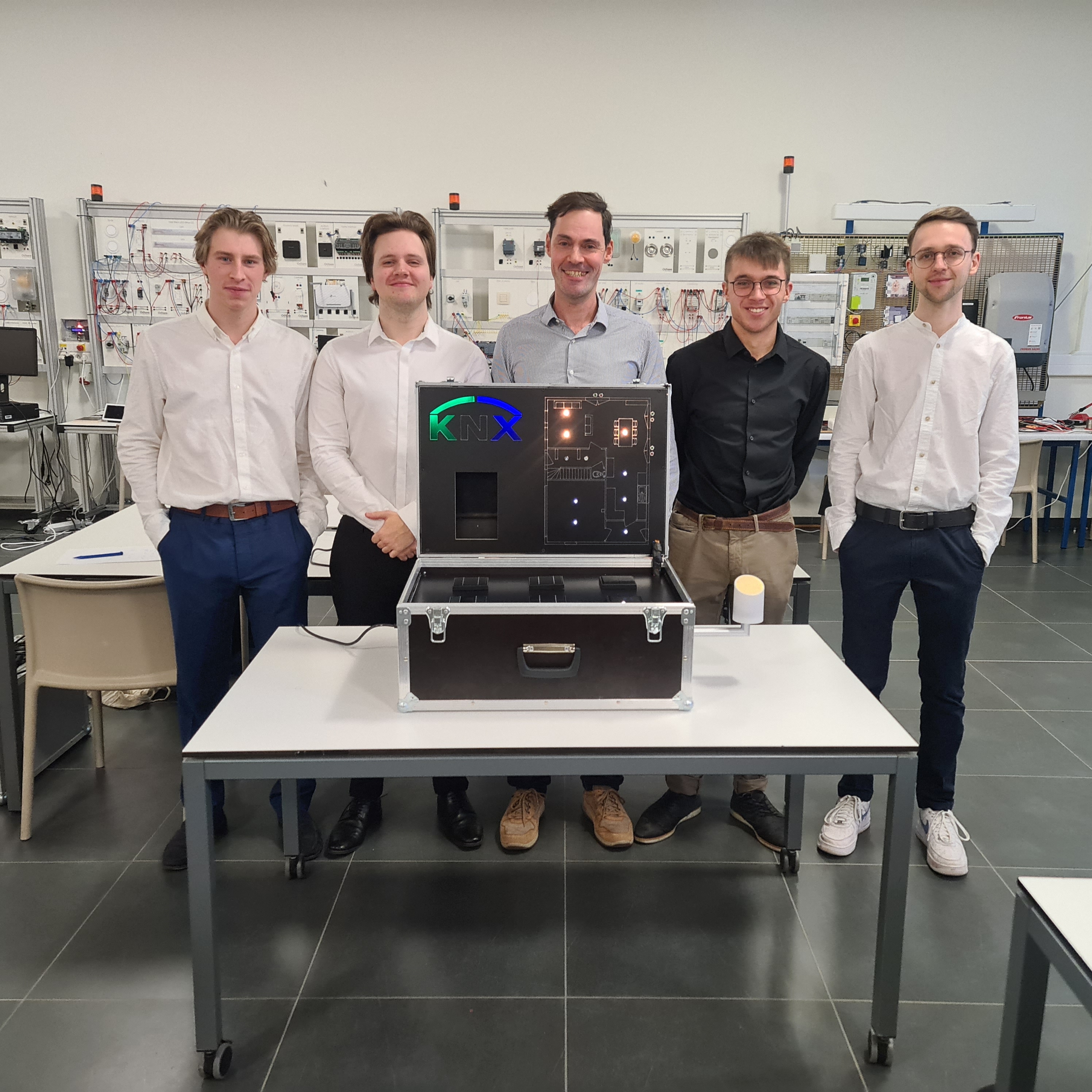
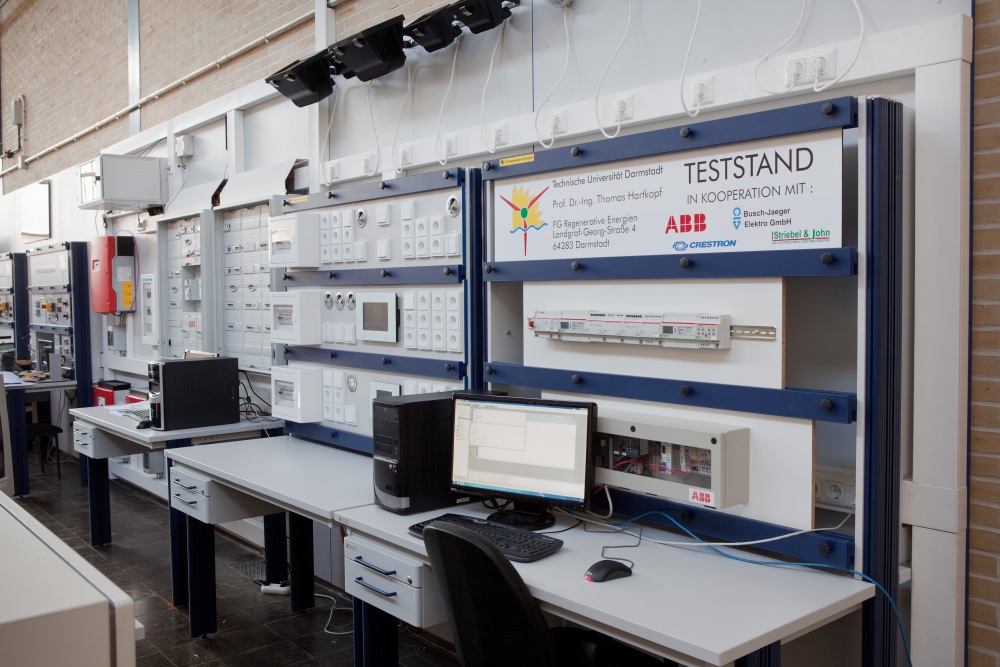
KNX auf dem Lehrplan der TU Darmstadt
Educational in Darmstadt
Applications utilisées
Lighting
Heating, Ventilation & Air conditioning (HVAC)
Security and Safety
Operation and Visualisation
Energy Management/Smart Metering
Other
Automation and Remote Access
Blind and Shutter Control
Détails du projet
| Catégorie | Valeur |
|---|---|
| Catégorie de projet | Educational |
| Type de projet | Commercial |
| Année d'achèvement | 2011 |
| Taille du projet | 1 – 100 |
| Nombre d'appareils KNX utilisés | 26 – 100 |
| Supports de transmission KNX | Twisted pair |
| Heures-hommes | 101 – 250 |
| Main-d'œuvre | 6 – 10 |
Mis en vedette dans ce projet


Description détaillée
Energy Efficiency
The usage of automated functions already save energy in every installation. Especially the usage of KNX has a lot of potential for further energy savings, which can contribute to a better environmental footprint. Be extending KNX to more functions and applications, energy savings of up to 60% can be realised. Thanks to the flexibility of KNX, these functions can easily be implemented in this installation
Innovation
Smart homes and buildings are always an upgrade in comparison to a conventional installation. Not only automated functions and a higher level of comfort contribute to a higher living standard, but also the possibility to be ready for coming innovations. Thanks to the usage of KNX, the door has been opened to integrate new innovative solutions, using the worldwide STANDARD for home and building control.
Applications utilisées
- Lighting - Dimming
- Heating, Ventilation & Air conditioning (HVAC)
- Security and Safety
- Operation and Visualisation - Touch Panels & Display Panels
- Energy Management/Smart Metering - Metering, Data Logging, Visualisation, Current Detection
- Other - Home Appliances Control
- Automation and Remote Access
- Blind and Shutter Control - Group & Central Control, Automatic Programs
Description des clients
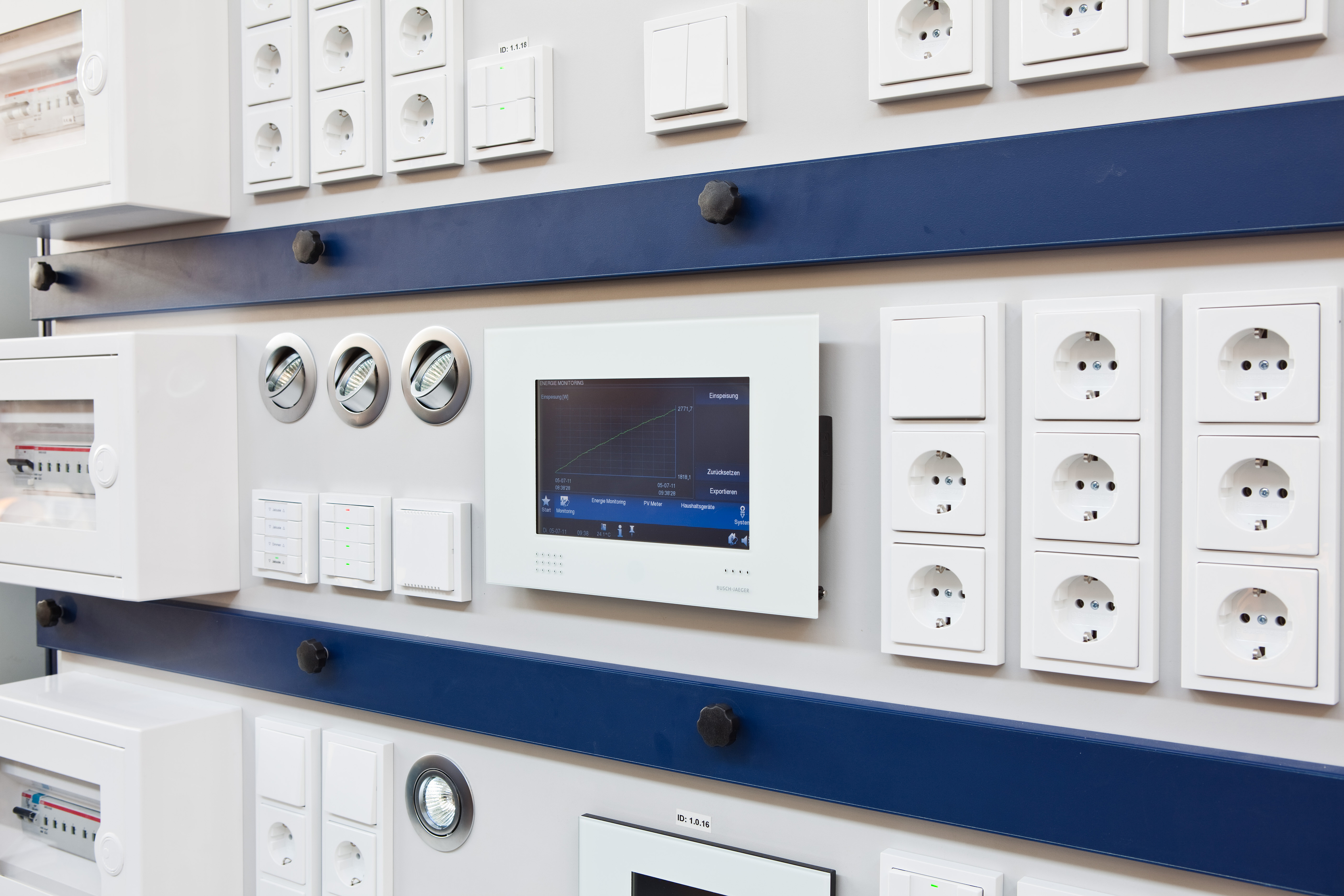
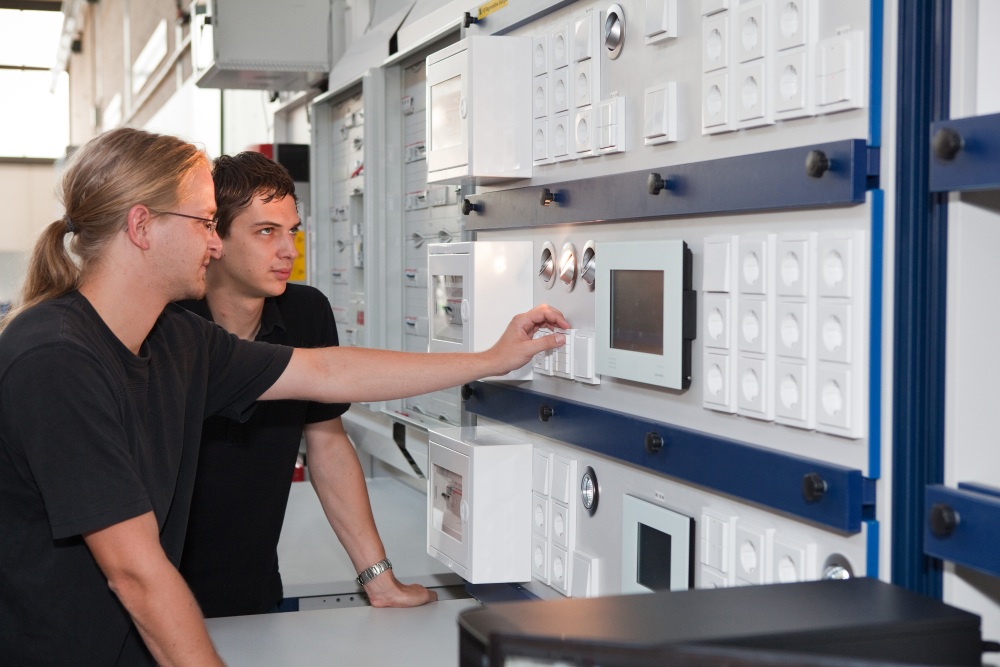
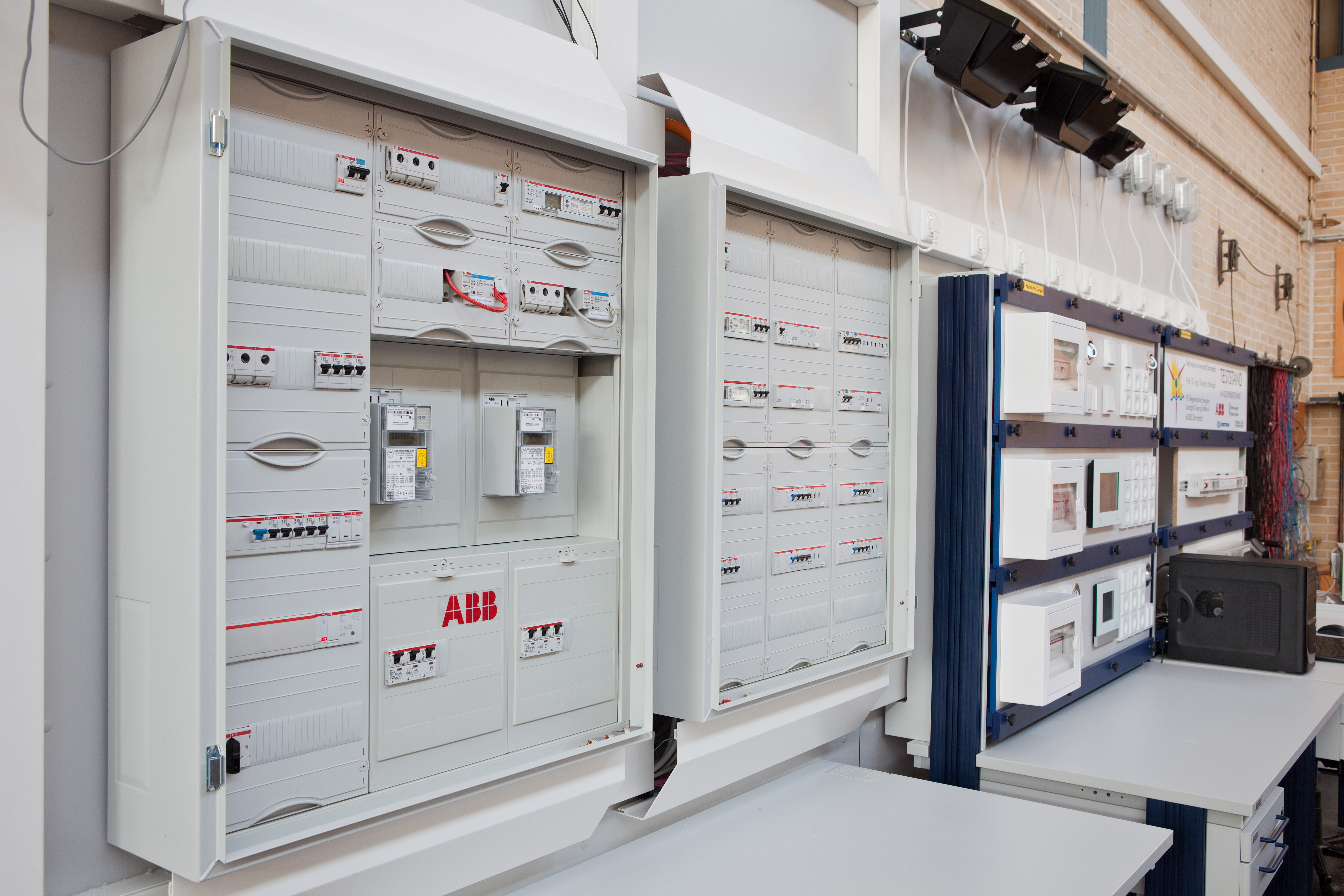
This is how the house of the future will function: the building system observes constantly the energy requirement in each circuits, the energy produced by the photovoltaic system, which is compared with the time variable electricity tariff of the network provider and controls the loads so that they are as energyefficient and cost-effective as possible. The Darmstadt University of Technology has adopted this in its curriculum.
Coordonnées
| Nom de l'entreprise | Technische Universität Darmstadt |
| E-mail de l'entreprise | lsteiner@re.tu-darmstadt.de |
| Company Website | http://www.re.tu-darmstadt.de |
| Nom du contact | Lutz Steiner |
| Fonction de contact | System Integrator |