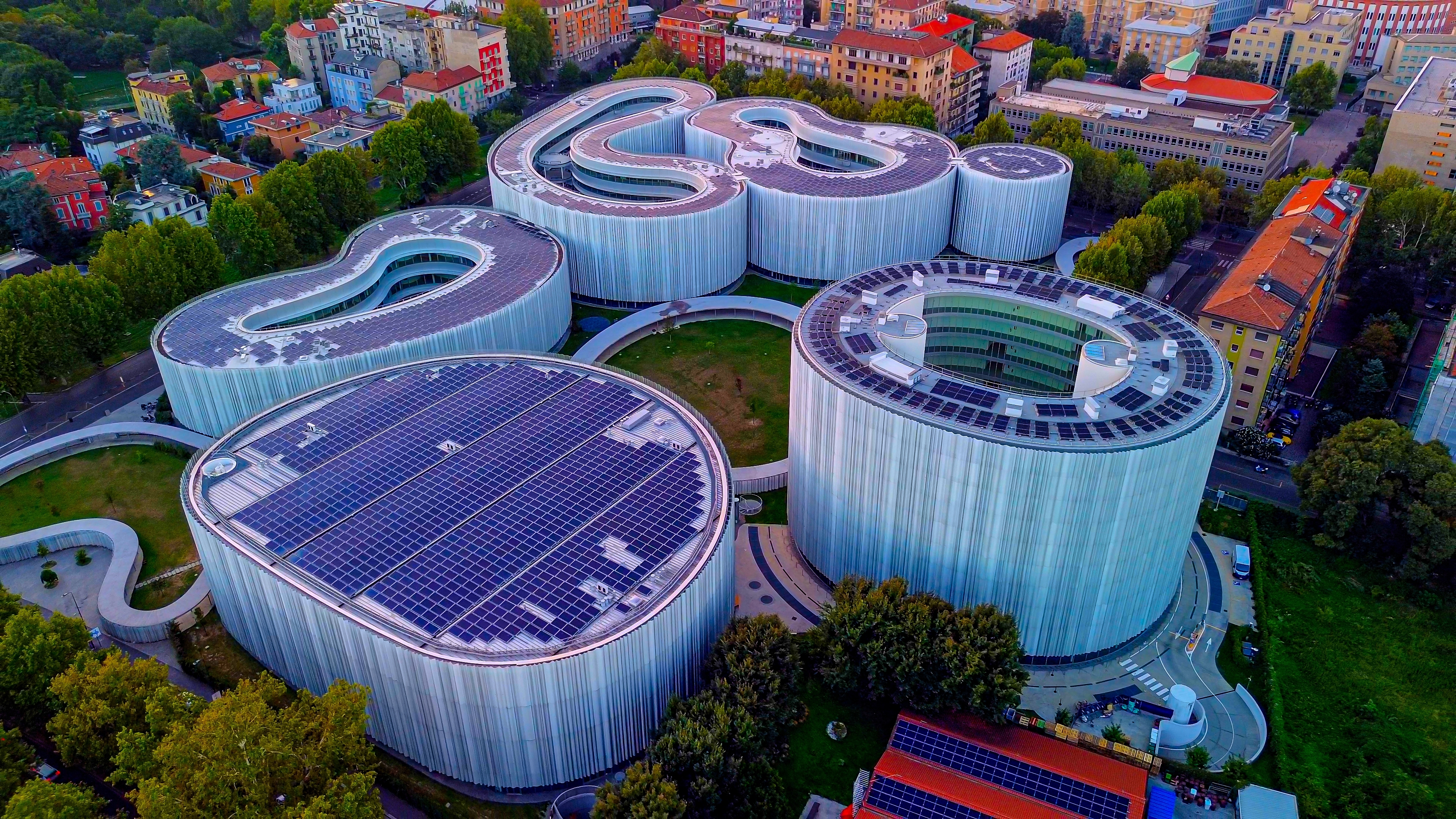








The sustainability challenge is set to intensify. By 2050, the global population is expected to increase 27% to reach 9.8 billion, while by 2060 global building floor area is expected to double – amplifying environmental, social and economic pressures. Our homes, buildings and cities need to become smarter and more sustainable.
Optimising energy through intelligent integration
At KNX, sustainability is not approached as an abstract ambition – it is a practical outcome of applying innovative technology effectively. When implemented within a project, KNX can help optimise energy usage across connected building systems.
By intelligently managing systems such as lighting, heating, ventilation, and shading, KNX can help ensure energy is used more efficiently, responding to factors such as occupancy, environmental conditions and user requirements.
This performance is driven by true integration. Rather than treating systems as isolated components, KNX connects them into a single, intelligent ecosystem where devices communicate and operate seamlessly. Energy management is not an add-on; it can be embedded into the core of how the building operates.
As a result, systems can respond dynamically to occupancy, environmental conditions, and user behaviour, continuously optimising performance without requiring constant manual intervention. In increasingly complex buildings, this level of integration is essential. Without it, systems operate in silos, creating inefficiencies and limiting impact. KNX removes this fragmentation, enabling a holistic approach, where the building itself becomes an intelligent system – delivering both efficiency and a more responsive, comfortable environment.

Simplicity in practice
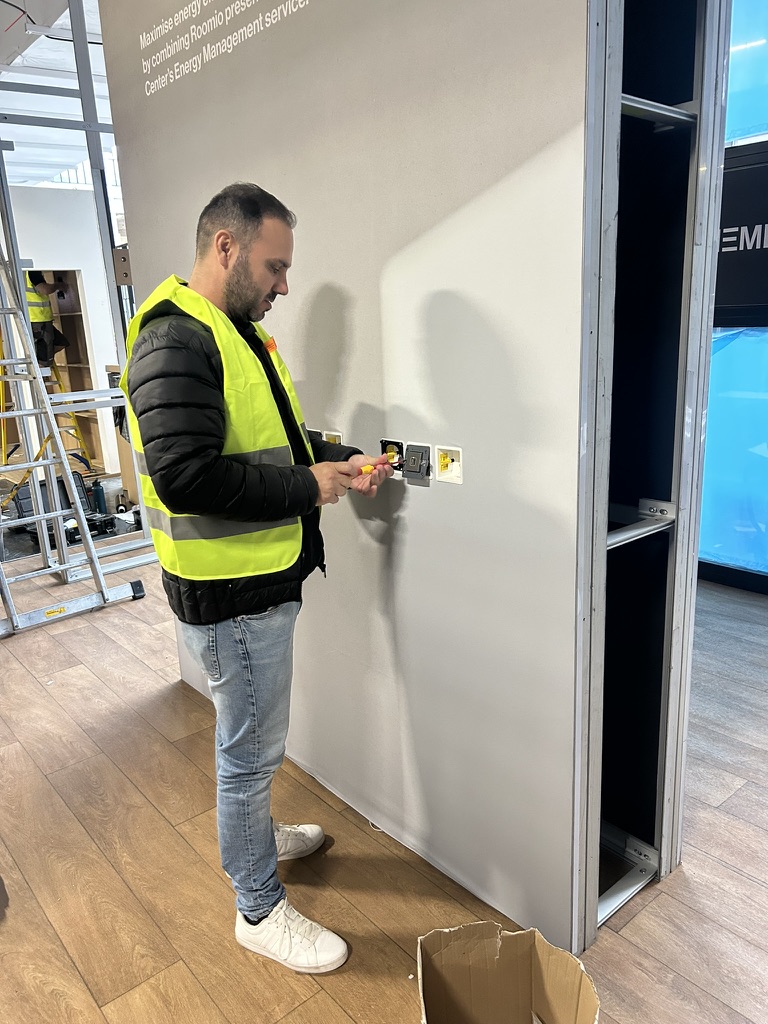
Integration and intelligence only deliver value if they’re simple to use. For technology to have real impact on sustainability, it must be practical to implement and intuitive in operation. If a system is too complex to implement, planners and installers may be reluctant to specify it. If it is too difficult to use, it risks being underused.
KNX aims to combine advanced capabilities with simplicity and reliability, enabling solutions that work in real-world conditions. I explored the importance of simplicity in greater detail in my previous blog.
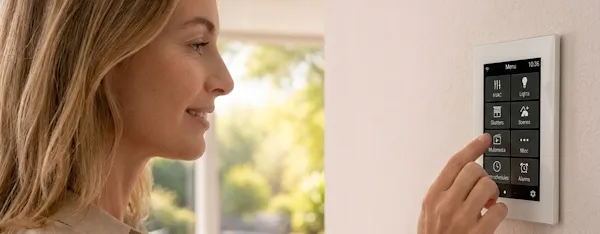
This simplicity benefits the entire value chain. Integrators and installers can deliver projects with greater confidence, while end users experience smart homes and buildings that are intuitive and easy to live with. By removing barriers to adoption, KNX helps ensure sustainable solutions can scale.
Driving sustainable innovation
The way buildings are designed, operated and regulated continues to evolve, creating new requirements for energy management and building automation. KNX is developing its ecosystem in response, with new technologies, tools and applications designed to support these changing needs. Learn more about the innovative initiatives in KNX’s roadmap in this earlier blog.
This progress is also unlocking new opportunities. Manufacturers can develop and adapt devices for emerging use cases, while professionals can deliver more ambitious projects that go beyond basic automation to achieve meaningful energy optimisation and long-term value.
Energy management at the core of smart building design
KNX is strengthening its commitment to energy management with the launch of dedicated training modules designed to help professionals incorporate it more effectively into projects. The aim is for energy management to sit alongside lighting, shading, HVAC and other building functions as an integral part of system design.
Energy management is no longer an optional add-on or future ambition; it is becoming a fundamental requirement that grows in importance every year. KNX provides a framework for integrating energy management with lighting, shading, HVAC and other building systems within a common architecture.
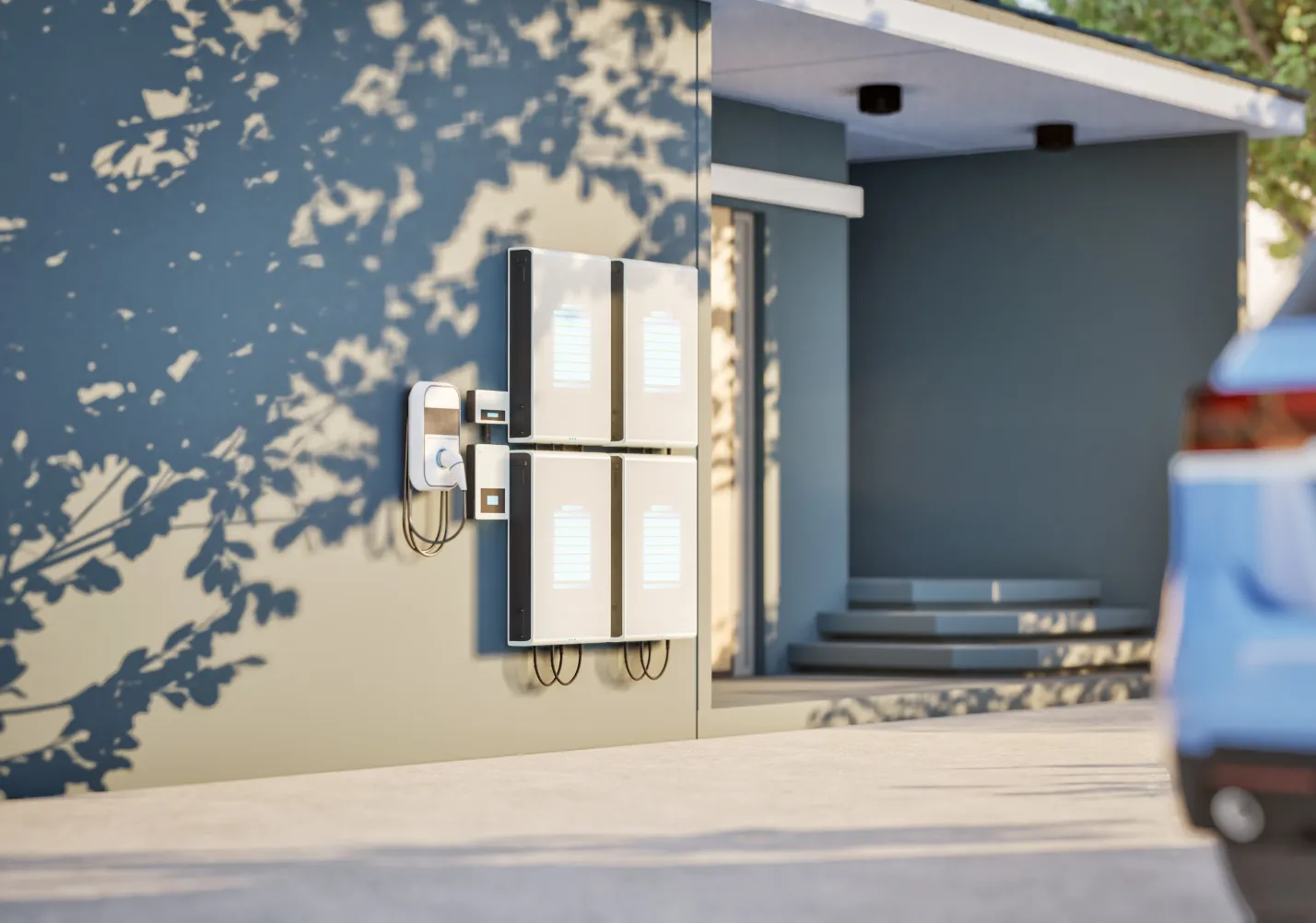
In parallel, our Applications Working Group is working closely with the Tooling Working Group to ensure that our tools include functionality that further simplifies the integration of energy management. The work also aims to make it easier to measure energy savings and CO₂ reduction, giving professionals and building owners greater visibility of system performance.
Together these developments are intended to give KNX professionals more tools and knowledge to design projects that manage energy efficiently and make performance easier to understand and measure.
Technology that delivers sustainable outcomes
The combination of integration, simplicity, and innovation results in technology that delivers real, measurable outcomes. KNX enables buildings to move beyond passive energy consumption and become actively optimised environments, where energy is managed intelligently at all times.
Systems work together to reduce waste, prioritise renewable energy sources where available, and ensure performance remains aligned with user needs. This supports a fundamental shift in how buildings operate. Rather than static structures that simply consume energy, they become dynamic systems that adapt, respond, and optimise in real time.
In doing so, buildings move closer to becoming energy “prosumers” – not only consuming energy efficiently but also managing and, where possible, generating it.
Greater energy efficiency does not have to come at the expense of functionality. By integrating energy management with other building systems, projects can combine efficiency with comfort, usability and flexibility. Buildings become more efficient, more responsive, and more valuable over time, delivering lasting benefits for both users and the environment.
Embedding energy management into the design of a building from the outset can make it easier to monitor consumption, respond to changing conditions and integrate technologies such as renewable generation. By continuing to develop the tools, training and system capabilities that support this approach, KNX is putting its sustainability strategy into practice.