









Natural gas and LPG heat homes, fuel cooktops, and power boilers safely in millions of households every day. But a leak is invisible, and by the time you smell it, gas may already have accumulated. A smart gas detector closes that gap, but only if it’s installed in the right place. We’ll show you where to install a smart gas detector, explain why correct placement makes all the difference, and how it can become part of a safer smart home.
A carbon monoxide detector vs a gas detector: what’s the difference?
It’s worth clearing up a common mix-up first: a carbon monoxide detector detects carbon monoxide, a by-product of combustion. A gas detector protects against something different: a leak of the fuel itself, natural gas or LPG, before it is ever burned. Because these gases behave differently in the air, they also need to be installed differently.
In what follows, we’ll focus on smart gas detectors.
The placement of your smart gas detector matters
|
Image
|
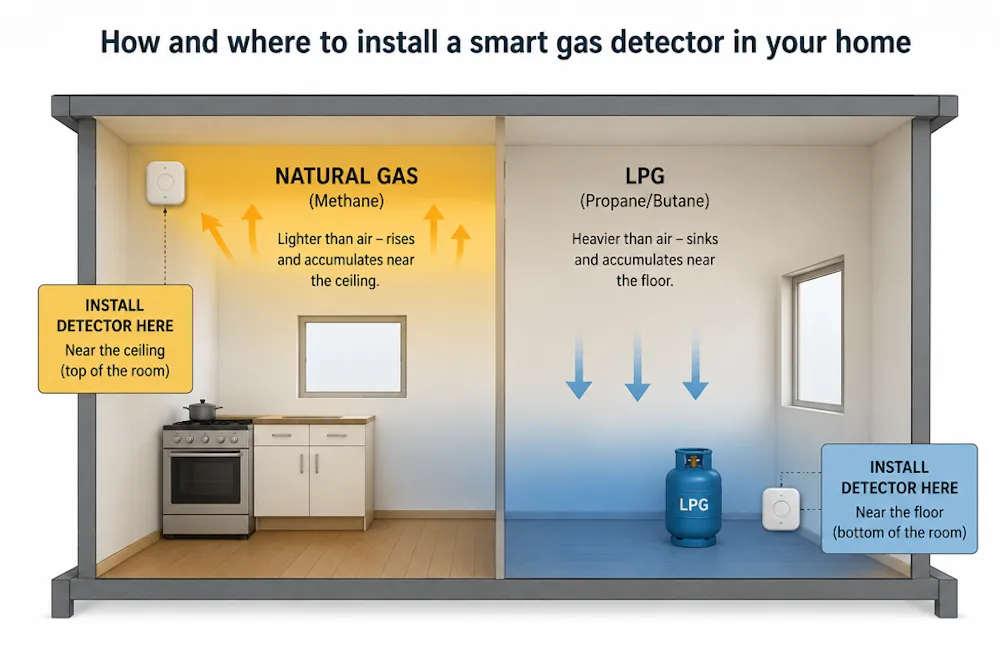
Natural gas (methane) is lighter than air and rises towards the ceiling. LPG and propane are heavier than air and sink towards the floor. This single fact determines almost everything about where a detector should go. For natural gas detectors, install them high, close to the ceiling, generally within 30 cm of it.
For LPG and propane detectors, install them low, close to the floor, generally within 10–15 cm of it. Always check the manufacturer’s exact placement and clearance specifications for your specific device. These figures are a general starting point, not a substitute for the installation manual. |
Room by room and floor by floor
|
Image
|
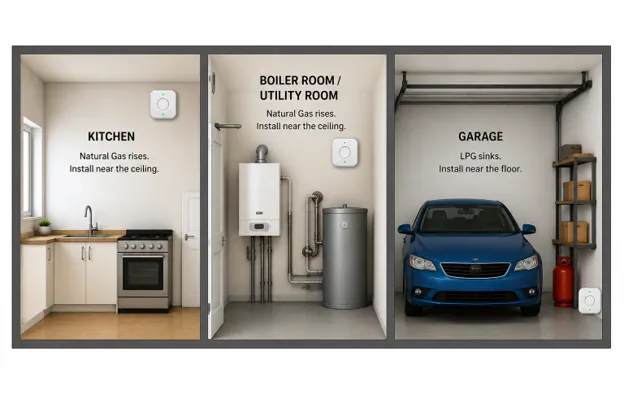
Here’s an overview of the most common places to install a smart gas detector:
|
Avoid installing detectors near windows, doors, or extractor vents. Draughts can disperse gas before it reaches the sensor, delaying detection when every second counts. If gas appliances are spread across multiple floors—for example, a gas hob in the kitchen and a boiler in the attic—install a detector at each location rather than relying on a single unit. When integrated into the same KNX installation, these detectors don’t just sound an alarm locally; they can trigger alerts throughout the home at the same time.
From detection to action
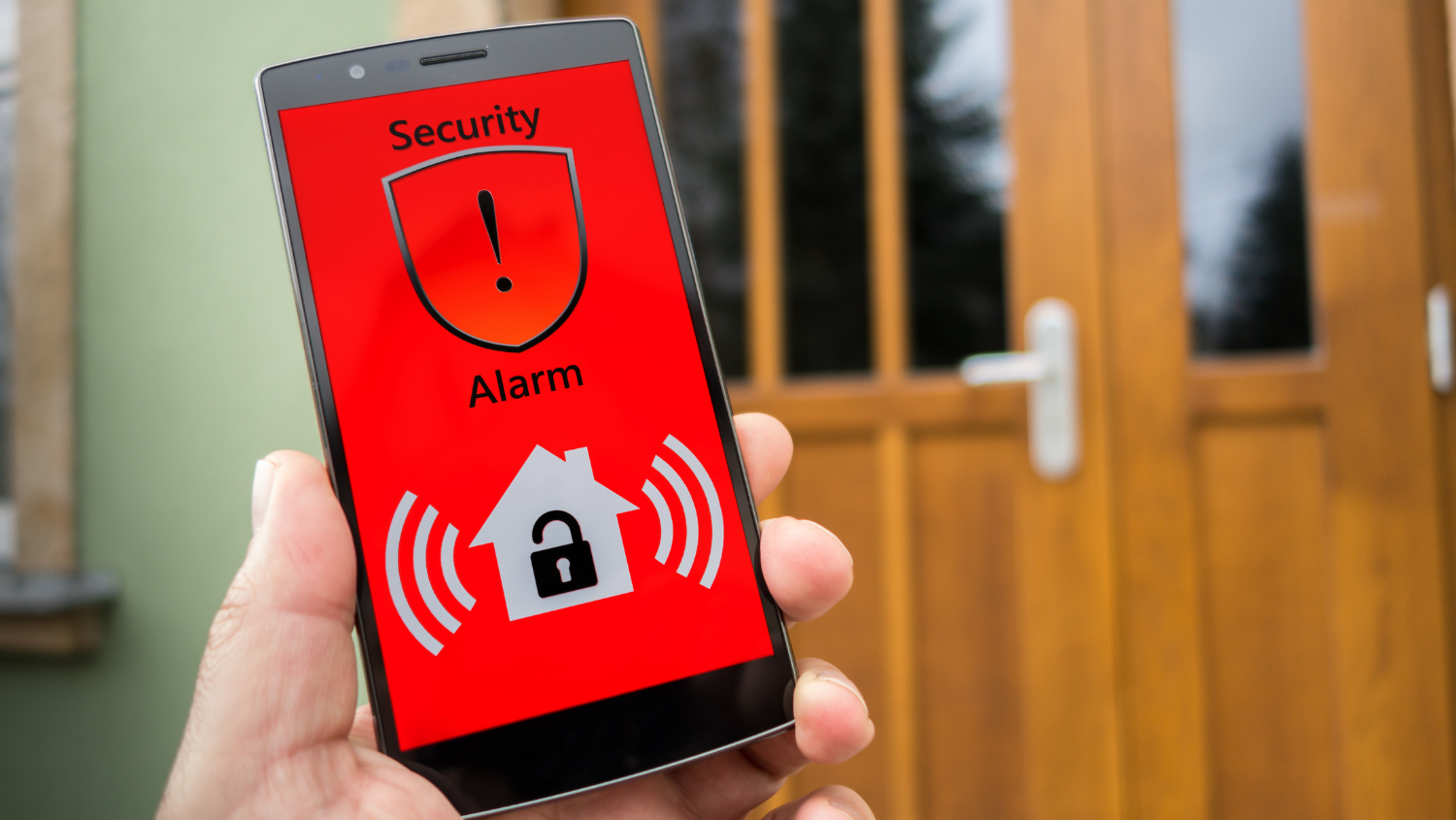
A gas detector is a standalone, safety-certified device with its own alarm relay. The real value comes from what happens next. By connecting that relay output to a KNX binary input, the alarm signal becomes part of your KNX system. From there, a certified installer can configure automated responses, such as sending an alert to your smartphone, triggering ventilation measures by opening KNX-controlled windows where appropriate, switching off selected non-essential electrical circuits, or logging the event for later review.
Read more about three other types of detectors that will help keep your home safe
Let placement be a professional’s job
The physics of gas detection are straightforward, but every home is laid out differently, and appliance clearances vary by manufacturer. A certified KNX professional can confirm the right position for your specific setup and make sure your detector is properly integrated into the rest of your smart home—not just sounding an alarm, but becoming part of a coordinated home safety system.